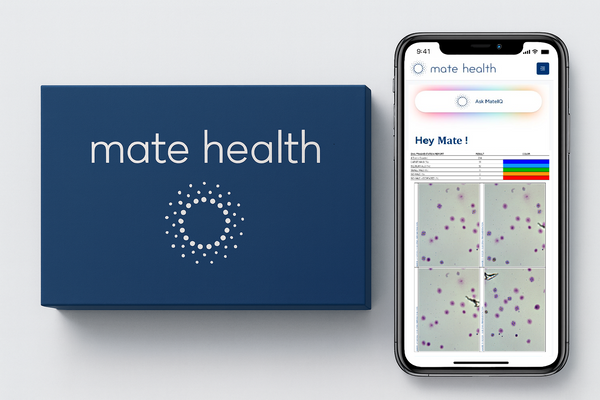
Your Guide to Using Our
At-Home Fertility Test Kit
▶ Watch Instruction Video
Advanced Semen Analysis
Includes DNA Fragmentation with Complete Semen Analysis
What is DNA Fragmentation Testing?
This test looks at how much DNA damage is present in your sperm. It gives a deeper look into sperm quality beyond what’s seen in our Complete Semen Analysis. Your doctor may recommend this test if:
- You’ve had trouble conceiving for 6+ months
- There have been repeated IVF or ICSI failures
- You’ve experienced recurrent pregnancy loss (miscarriages)
- You have risk factors like smoking, stress, age, or exposure to heat/toxins
What does the advanced test measure?
Sperm Count
Numbers of sperms in the entire sample. Low sperm count decreases the likelihood of conception, especially with other issues.
Motility
The ability of sperm to move effectively. At least 40% should be motile. Low motility reduces fertilization chances.
Morphology
The percentage of sperm with a normal shape. At least 4% should be normal. Abnormal shapes can hinder fertilization.
Volume
The total amount of semen produced in one ejaculation. Low volume can indicate blockages, infections, or prostate issues.
Total Motile Sperm Count(TMSC)
The total number of motile sperm in the sample. Higher TMSC increases fertilization chances, while low TMSC suggest challenges.
Concentration
Numbers of sperm per milliliter of semen. Low concentration (oligospermia) reduces the chances of sperm reaching the egg.
DNA Fragmentation
Measures the percentage of sperm with damaged DNA. High fragmentation levels are linked to fertility challenges and an increased risk of miscarriage.
Top 3 Reasons Why DNA Fragmentation Testing Matters
It shows the quality of your sperm DNA: Standard semen analysis does not provide additional DNA information.
It can help explain why pregnancy hasn’t happened: Even if everything else looks normal, high levels of DNA damage in sperm may prevent successful pregnancies.
It guides your next steps: Your physician can recommend targeted treatments or lifestyle changes to choose the best fertility treatment.
Comprehensive Semen Analysis
What is a semen analysis?
A semen analysis is a lab test that checks the health and quality of your sperm. It’s one of the most common and essential tests for couples attempting to get pregnant. This test helps your doctor understand if any issues with your sperm could be affecting your chances of conception.
What does the comprehensive test measure?
Sperm Count
Numbers of sperms in the entire sample. Low sperm count decreases the likelihood of conception, especially with other issues.
Motility
The ability of sperm to move effectively. At least 40% should be motile. Low motility reduces fertilization chances.
Morphology
The percentage of sperm with a normal shape. At least 4% should be normal. Abnormal shapes can hinder fertilization.
Volume
The total amount of semen produced in one ejaculation. Low volume can indicate blockages, infections, or prostate issues.
Total Motile Sperm Count(TMSC)
The total number of motile sperm in the sample. Higher TMSC increases fertilization chances, while low TMSC suggest challenges.
Concentration
Numbers of sperm per milliliter of semen. Low concentration (oligospermia) reduces the chances of sperm reaching the egg.
Top 3 Reasons Why Semen Analysis Matters
It's the first step in evaluating male fertility: A semen analysis can reveal essential information about whether your sperm are healthy enough to fertilize an egg.
It can explain why pregnancy isn't happening: If you and your partner have been trying to conceive without success, this test helps figure out if a male factor might be involved.
It helps guide treatment options: Based on the results, your doctor can recommend the best next steps — from lifestyle changes to fertility treatments like IUI or IVF.
Post-Vasectomy Testing
What is post-vasectomy testing?
After your vasectomy, you’ll need a follow-up semen analysis to confirm the procedure worked and that there are no sperm left in your semen. This is the only way to confirm that you’re no longer fertile and that it’s safe to stop using birth control.
What does the test involve?
You'll provide a semen sample, usually 8 to 12 weeks after your vasectomy.
The sample is examined under 4K video microscopes to check for sperm.
It may take 15–20 ejaculations to completely clear sperm from your system.
Important: Keep using another form of birth control until you receive lab results.
Here's What We Test for Post-Vasectomy
0 Motile Sperm
Ensures complete absence of motile sperm, confirming the success of a vasectomy and eliminating the risk of pregnancy.
Less than 0.1 Million Immotile Sperm
Recognized as an acceptable result according to the AUA, as non-motile sperm lack the ability to fertilize an egg.
Top 3 Reasons Why Post-Vasectomy Testing Matters
It confirms the vasectomy worked: A vasectomy is a highly effective procedure — but not until all sperm are cleared out. This test confirms your body is sperm-free.
It prevents unplanned pregnancies: If you skip the test or stop using birth control too early, there’s still a chance of pregnancy.
It protects your peace of mind: A quick test gives long-term confidence that you’ve successfully taken control of your reproductive future.